LOS OTROS
Year: 2015
Place: Ex Chiesa di San Carpoforo/Accademia di Brera, Milan, Italy
Curator: Francesca Pasini
Los Otros, is Elizabeth Aro's solo exhibition/installation, sponsored by the Consulate General of the Republic of Argentina and housed in the former church of San Carpoforo, opened for the first time in August as part of the Expo events around the city. The exhibition sees the collaboration of the Municipality of Milan and the Accademia di Belle Arti di Brera.
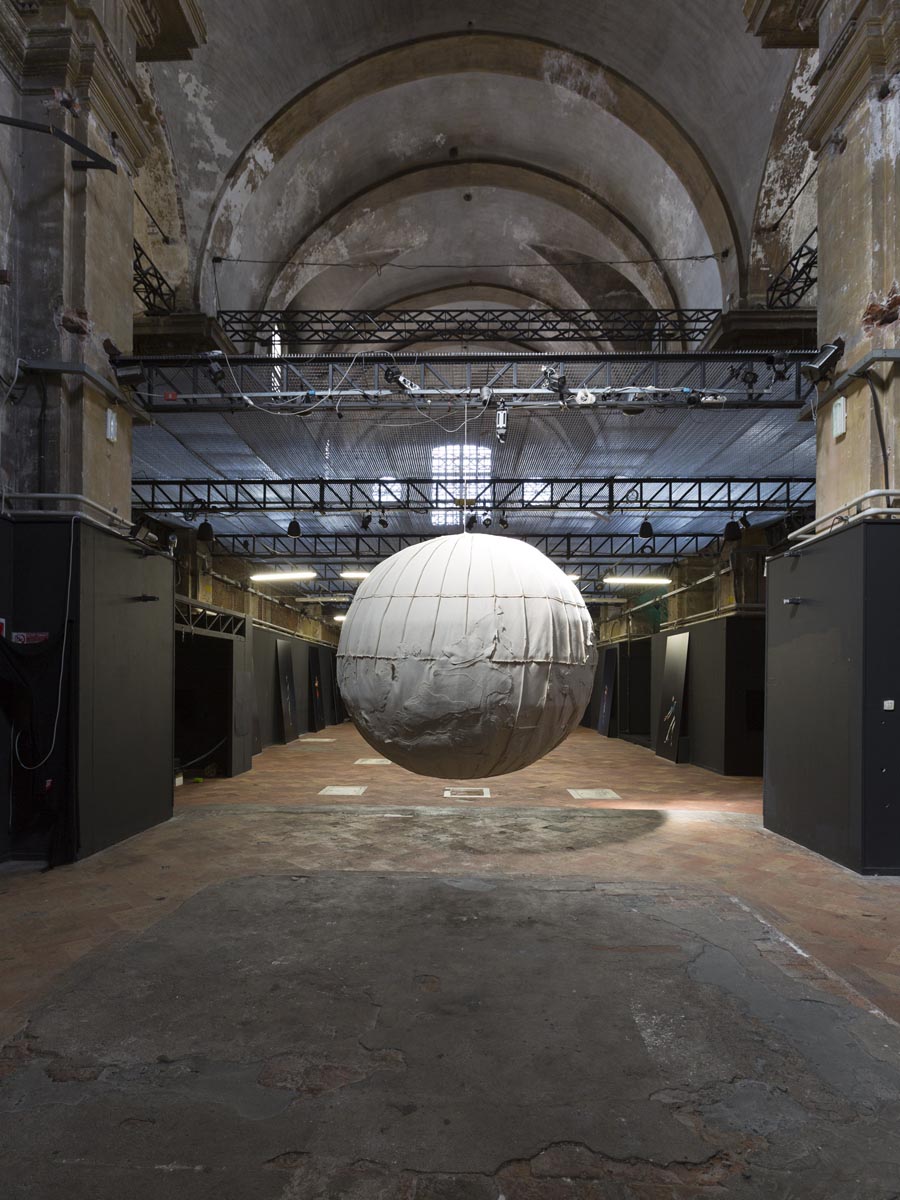
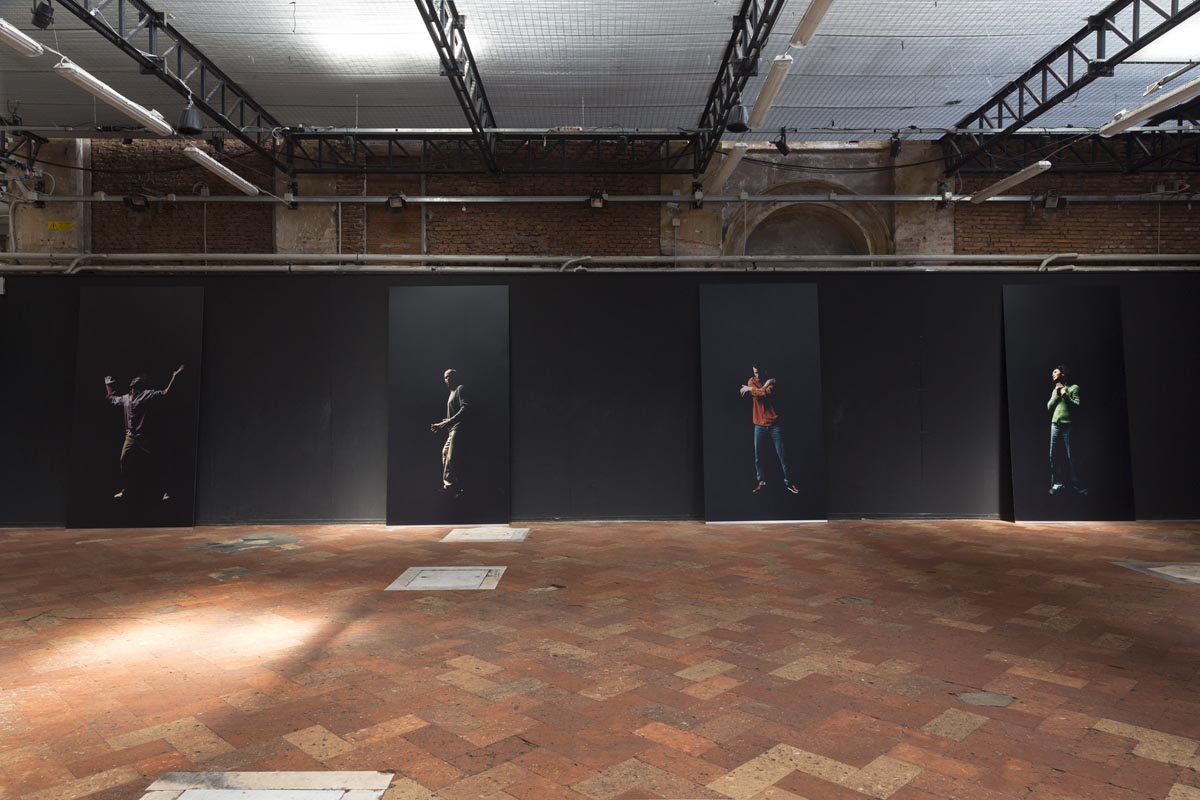
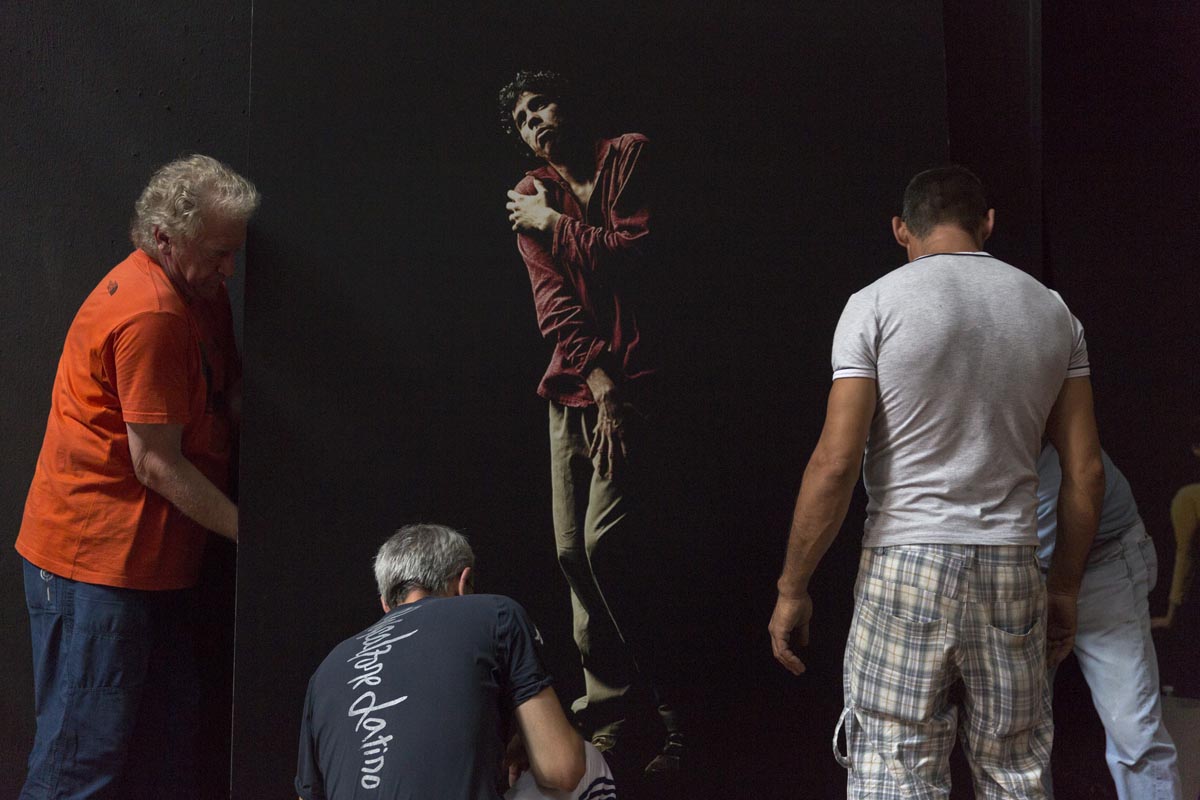
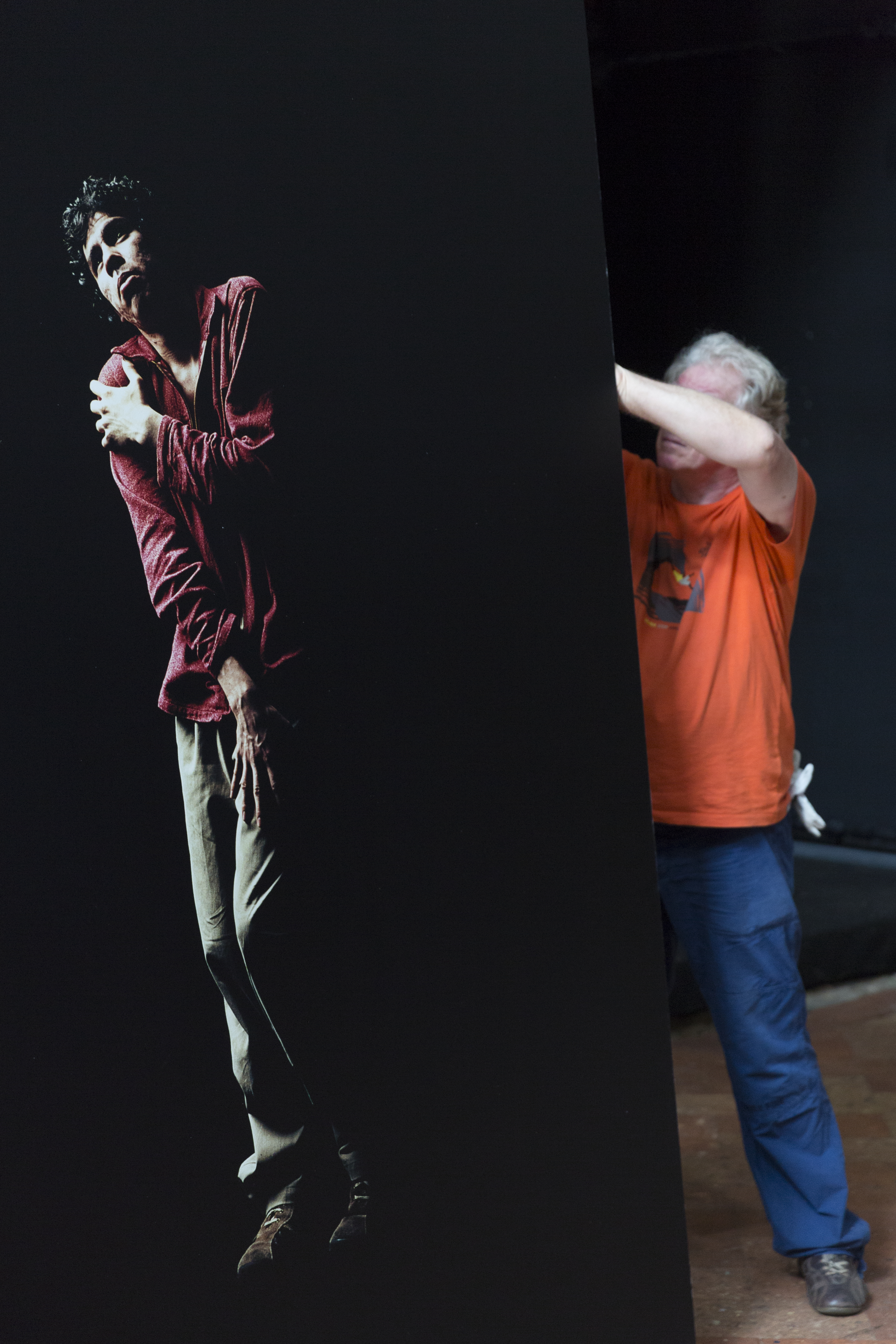
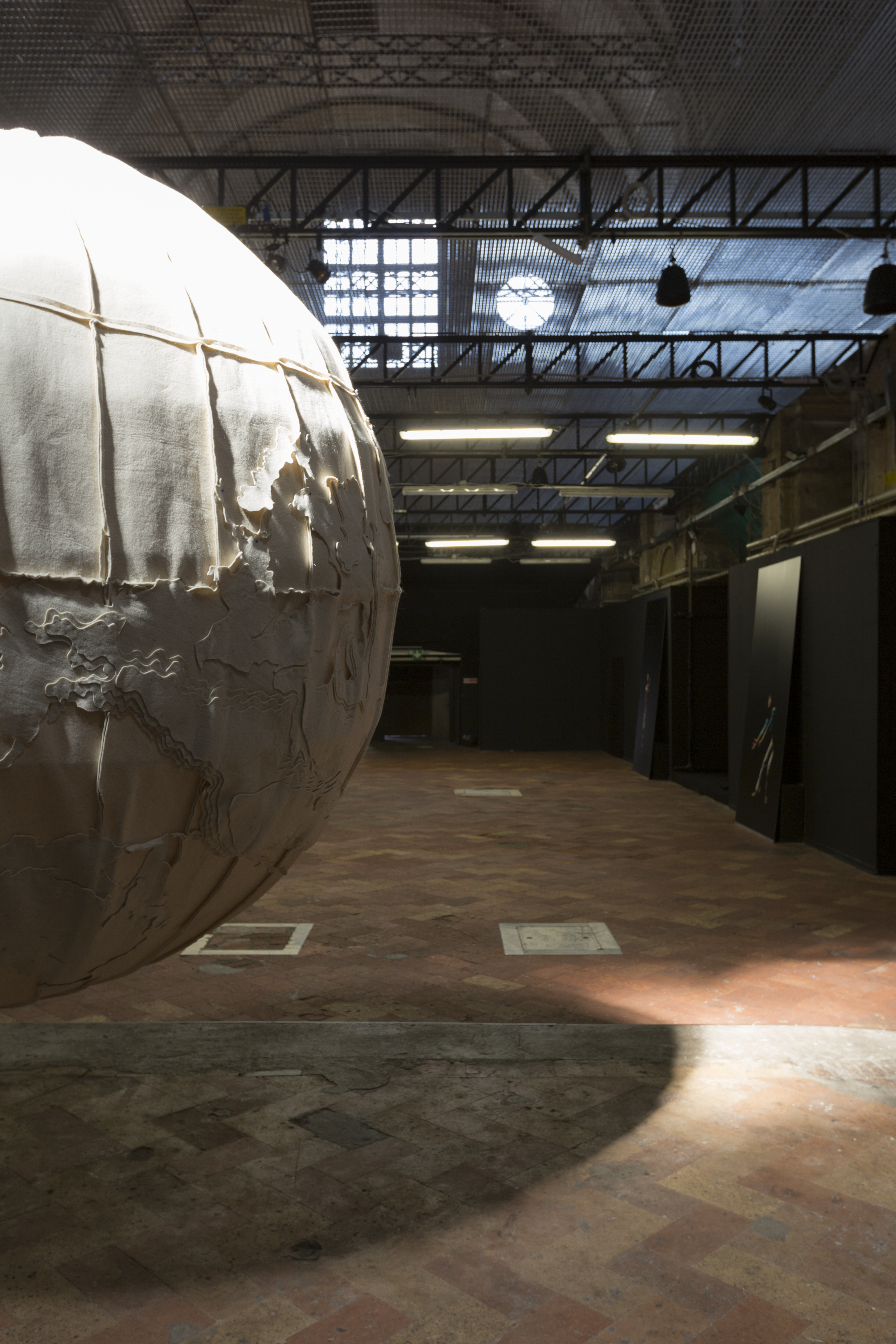
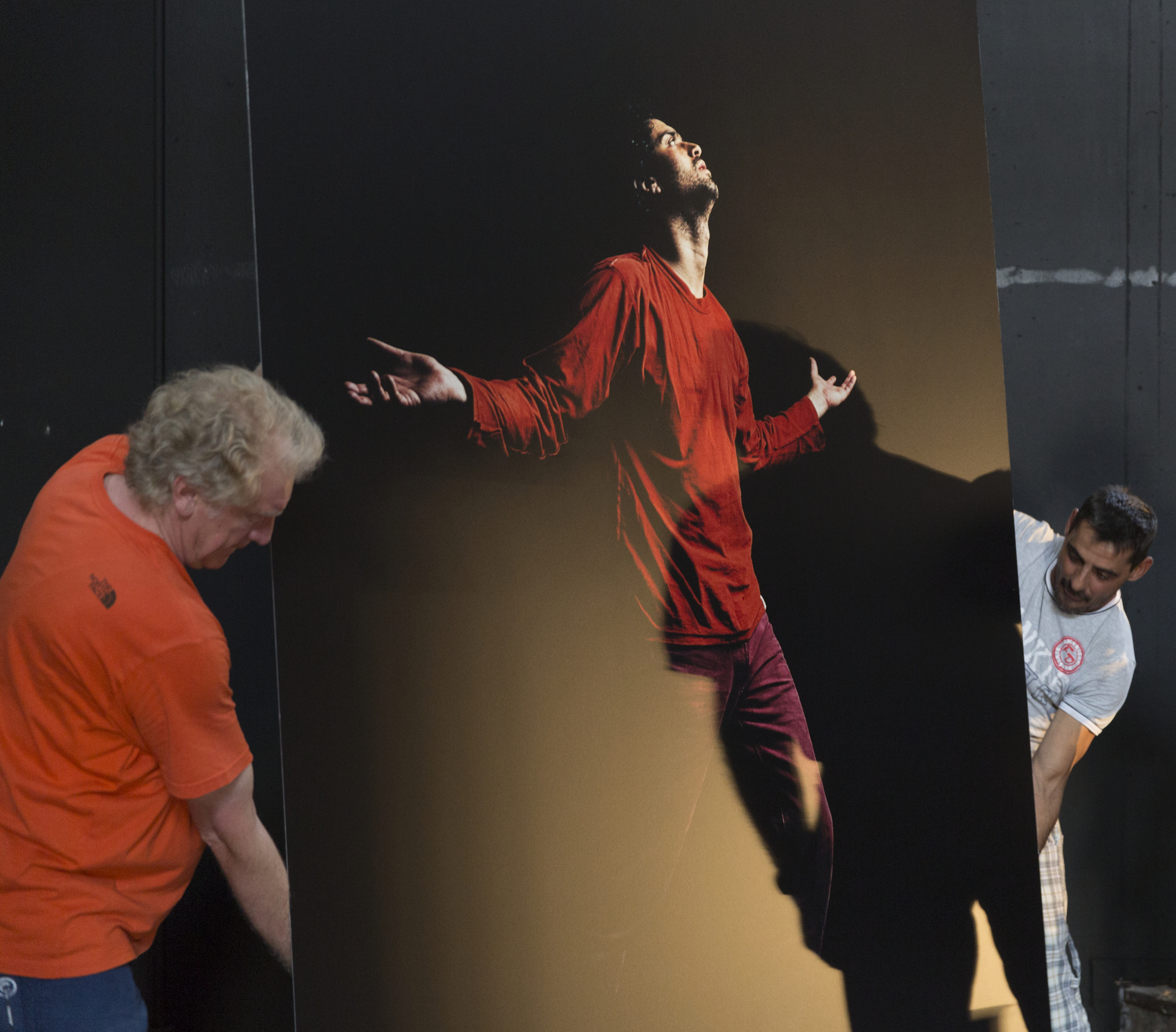
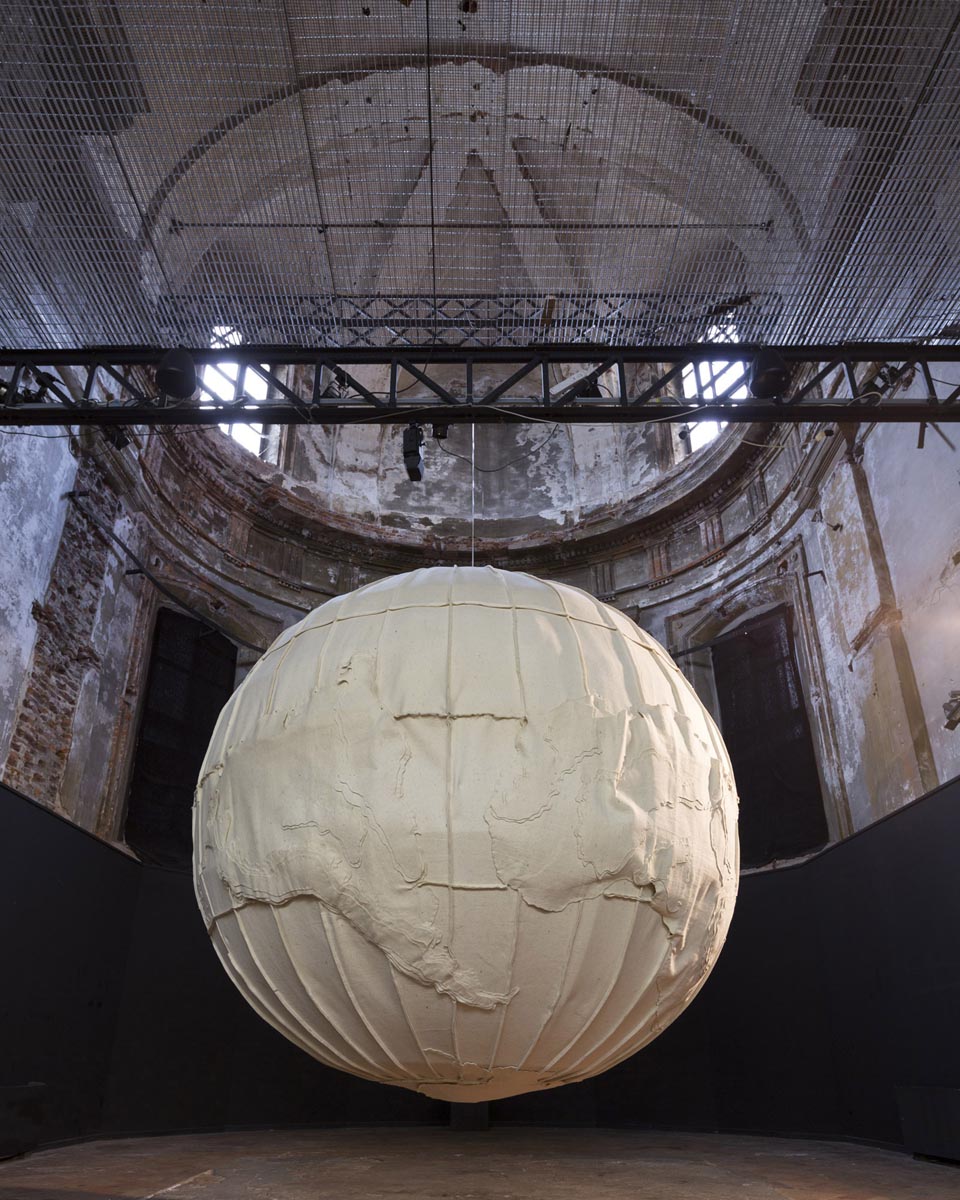
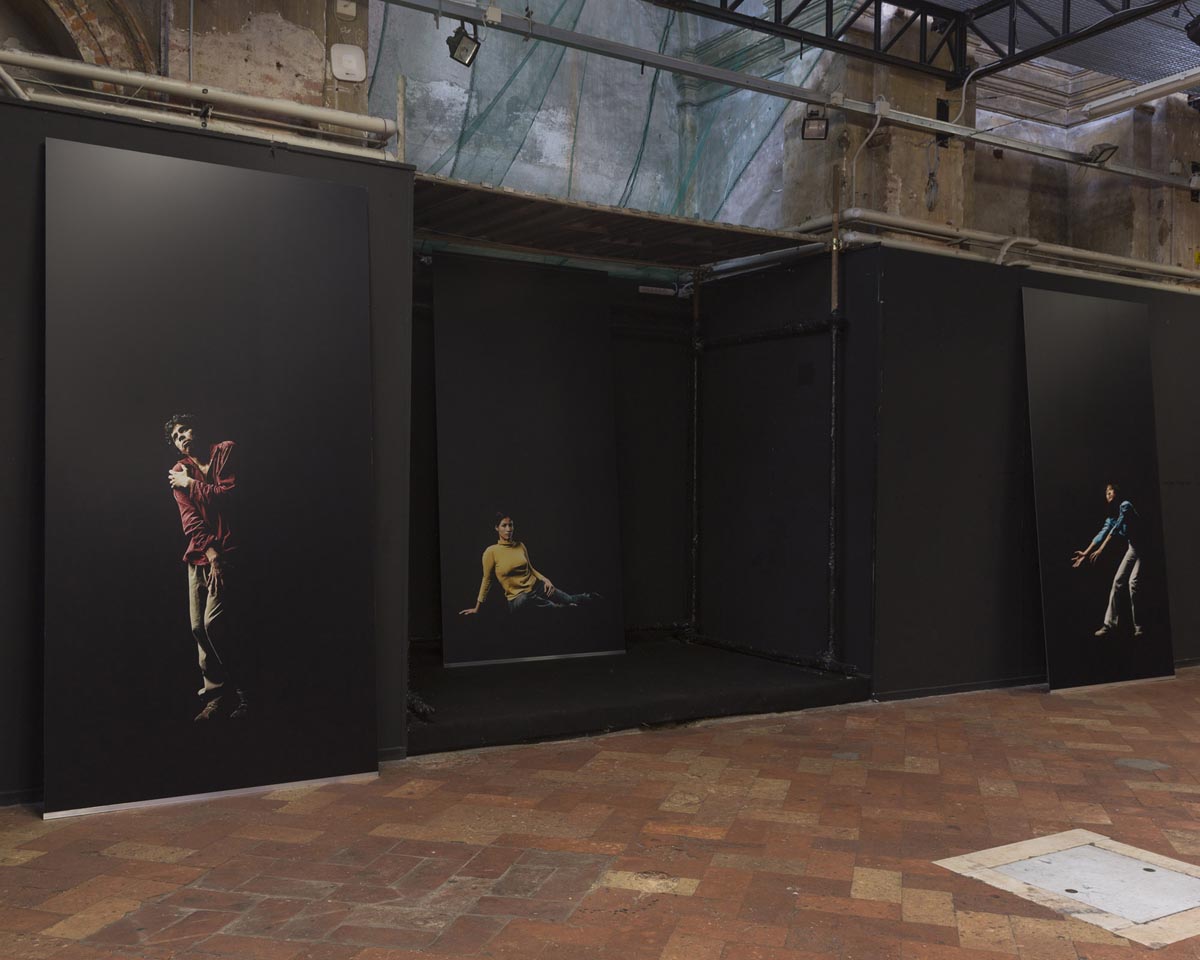
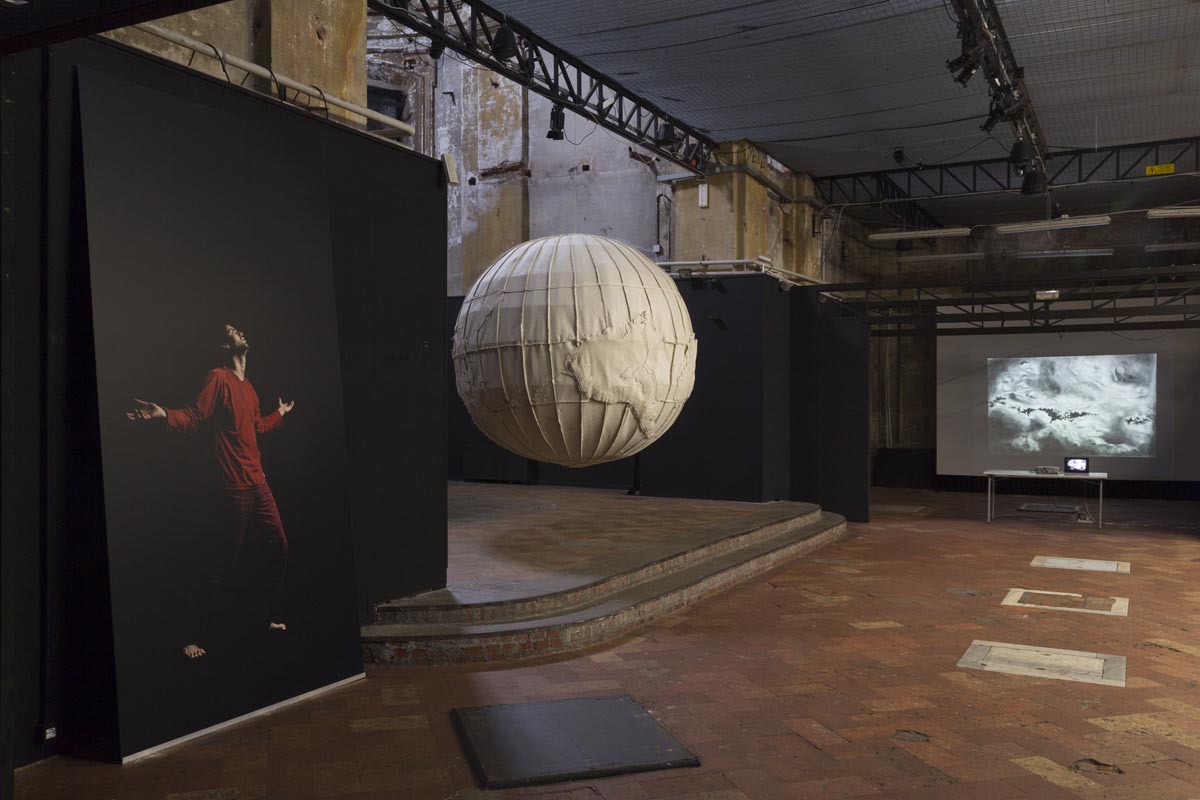
This time around, Aro highlights the idea of alterity through the consideration of the existence of other faces, customs and languages. Inside the Ex-Church of San Carpoforo, the viewers find themselves in darkness; the blacks of the walls dominate and contrast with the colour photographs of strikingly illuminated bodies. These bodies are foreshortened, isolated figures of men and women with different gestures and poses and with sharp contours. Although they are contemporary, their poses and expressions evoke figures from classical painting -apostles or angels. Aro uses the essential qualities of painting, but expresses them with a language likened to the structure of viedo or organised around photography. Between the paintings of the baroque artist Michelangelo Merisi da Caravaggio and Bill Viola's videos, these images engulf the viewer and converse from a contemporary location as they deal with sentiments and universal situations. The artist also realises sculptural pieces in line with previous works and presents here a large ball of felt, with a diameter of around almost 3 metres, that hangs from the ceiling. This huge ball represents the world - the skin of the earth in a world that falls towards the south and progressively loses order and splits apart; a world which is welcoming, but at the same time a place where clearly not everybody fits.
From the Exibart article:
Here is the translation of the provided text:
"[...] The other 'immigrants' who today seem to frighten Europe; the others from cultures we do not know, and those we cannot even imagine. The others are the 'multitude that crosses us' as described by Elias Canetti, and the 'I is another' from the ancient Rimbaud. These concepts remain alive and, in Aro's dark, Caravaggesque work, they find a new narrative form, perhaps more painterly than photographic. In this case, the artist presents a series of portraits of dancer friends, Los Otros, hailing from various parts of the world. Through their monologues—captured at the peak of their performance—they attempt to share their stories, emerging from the profound blackness of the background, a colour-symbol representing a deep lack of understanding of identity, fear of the other, and contemporary issues tainted by xenophobia.
However, "Los Otros" must also be addressed on a scientific level. In the apse space, for example, there is a stunning globe titled Mundo, made of white felt and sewn by the artist herself. Yet something seems amiss: it is a globe where the continents have shifted downward, reflecting a new drift that has already begun and has been scientifically proven. Like a colossal gravitational force, the landmasses are being drawn southward, toward new latitudes and another pole; this could signify a collapse or represent a way to view the world differently, with the term "South" evoking fewer fears.
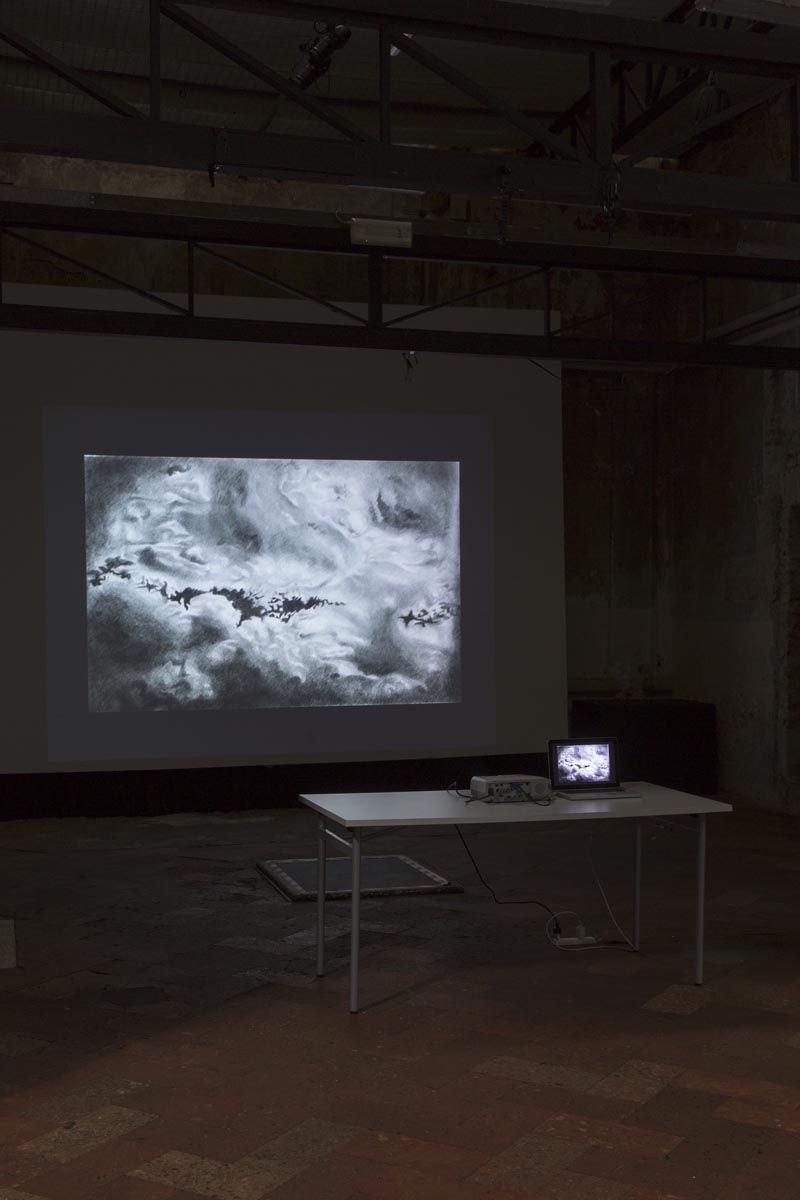
Finally, one can discover diversity in "Estudio de nubes," beautiful graphite drawings on paper (in this case projected), which, as the artist explains, “are inspired by a passage from Jorge Luis Borges and convey feelings: even though they are variable and change form imperceptibly in an instant, everything they represent remains within us, shaping our future.”