PROVISORIO PARA SIEMPRE
Year: 2018
Place: Galleria Canepaneri, Genoa, Italy
Curator: Natalina Remotti
Works
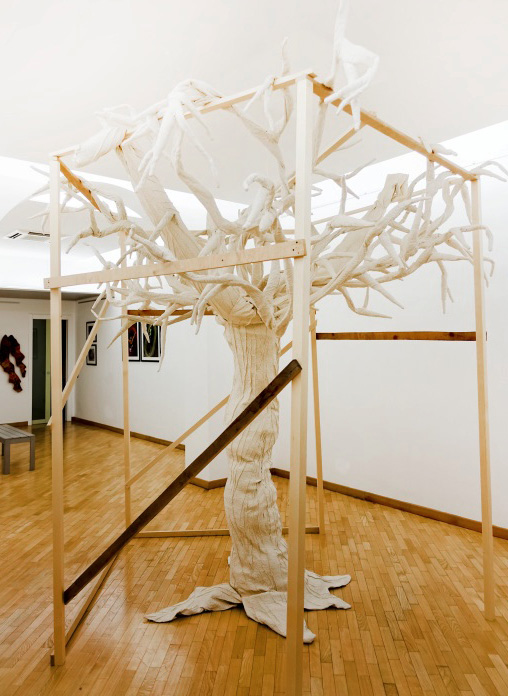
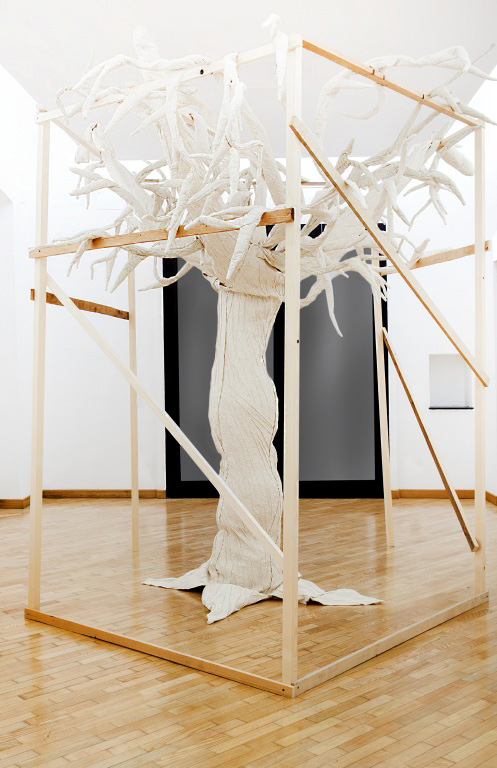
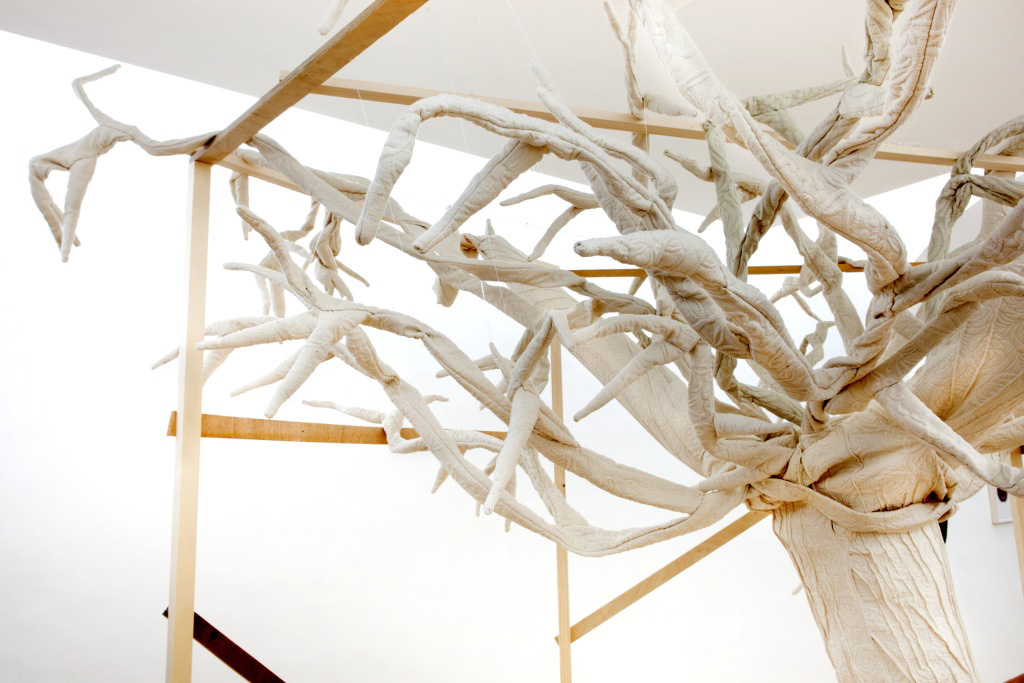
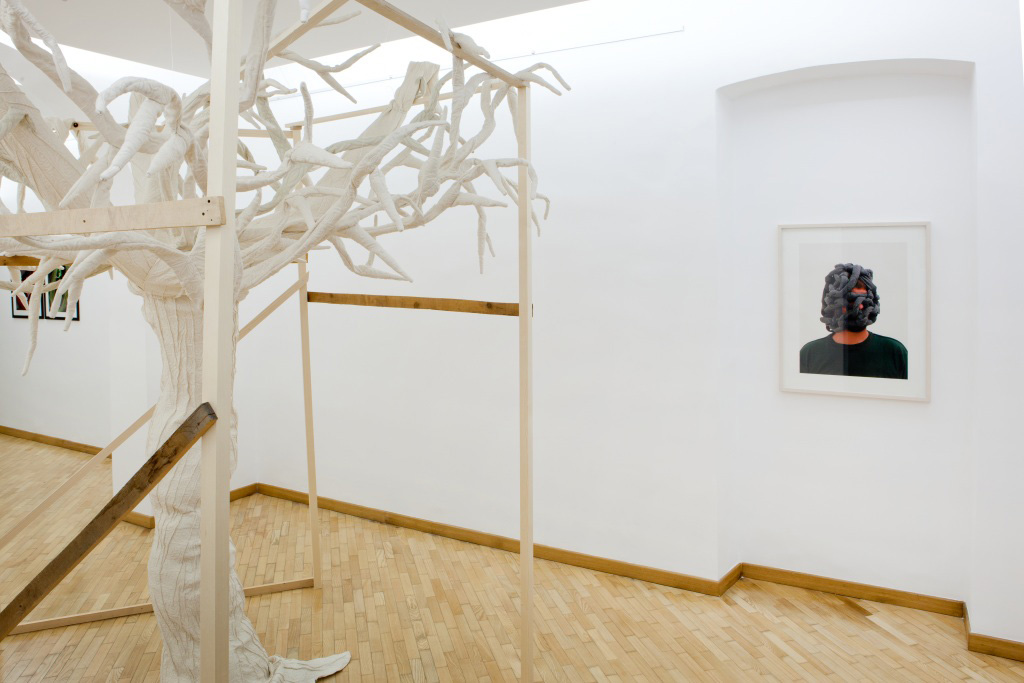
Provvisorio per sempre
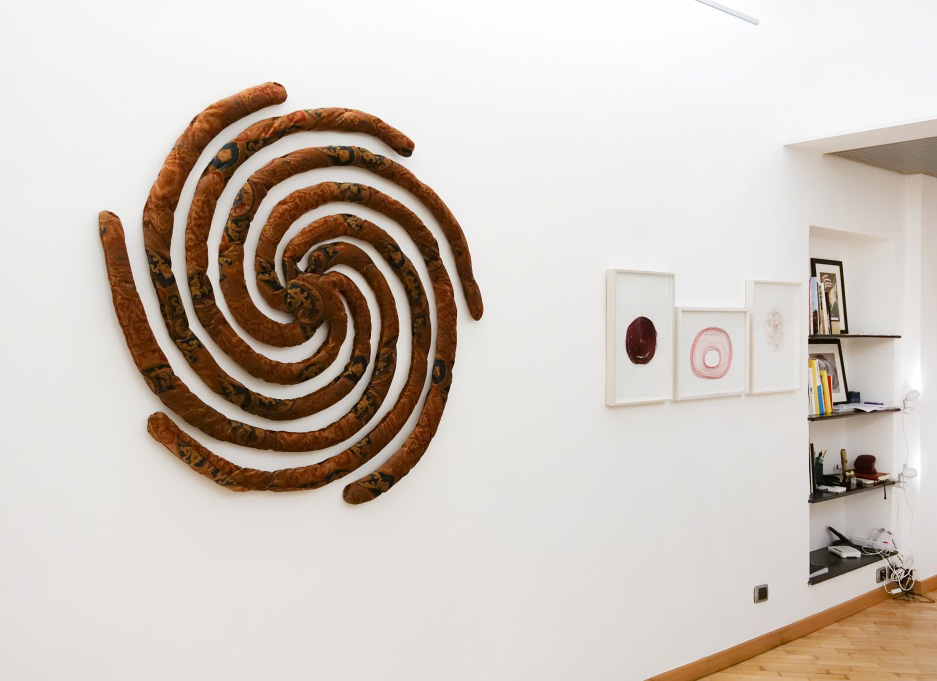
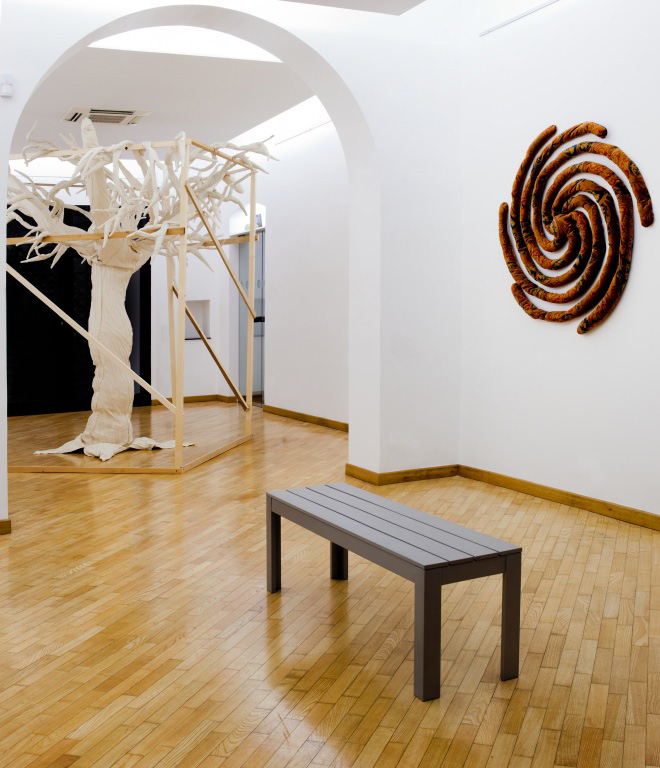
Spiral
Drawings
Written form
Andrea Rossetti for Exibart:
“The artist's predominant use of fabrics and threads does not define her, just as a habit does not make a monk. This is because Elizabeth Aro's poetic specificity is not merely expressed through materials or the notable revival of the sewing machine—an instrument traditionally associated with women in Argentina and the collective imagination of any housewife immersed in hems and embroidery. As the artist introduces her work, she states, "under the needle, I experiment with everything, having tried various materials." There is something much less exotic for the Italian intelligentsia at play here: it lies in the act of bending the machine to her will, subverting its functionality with an initiative reminiscent of "Munari." The circle is not yet closed; there remains a Munarian approach but with a feminine mindset—an action that asserts her belonging to a gender without feeling superior or inferior, without needing to shout or wave banners.
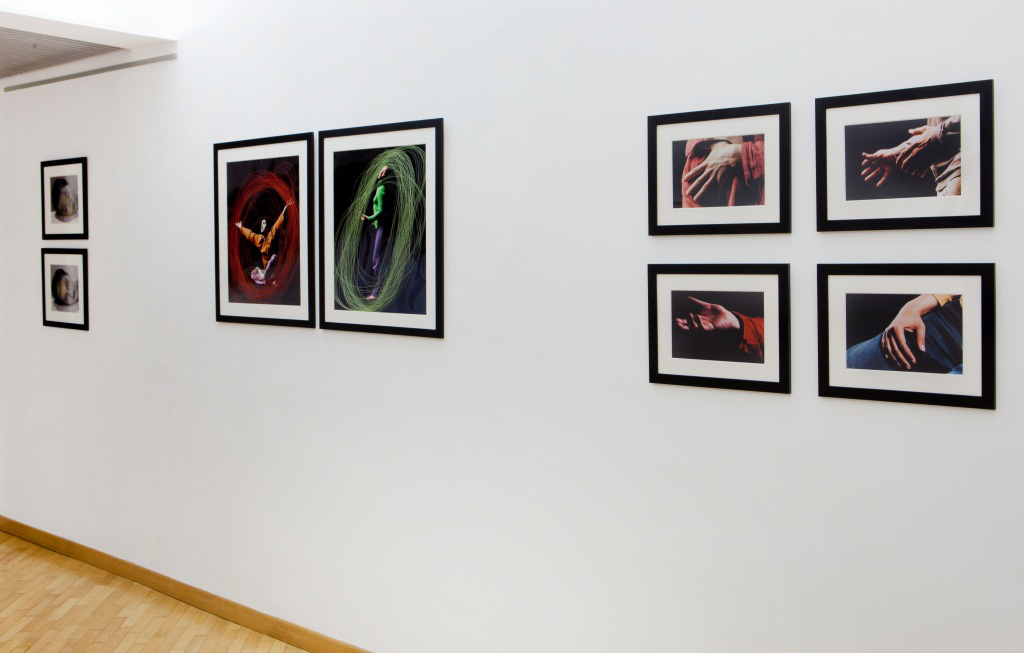
Art as a dysfunctional and feminine process is channeled, for example, in the unusual hybridization of references to Man Ray and rhythmic series of machine-stitched golden dots; a thread carefully passed over photographic paper creates delicate halos that symbolize dreams, which the artist describes as "that phase when a person is completely free." This action carries a subtly provocative background as she entrusts all her delicacy to the role of a needle—an element that logically possesses nothing delicate about it. Probably—and no offense intended—a male mind would not have arrived at this conclusion for various reasons.
Managing the variability of expressive means is key to success in a mixed media solo exhibition like "Provisorio para siempre," a title borrowed from a common saying in Argentina. "My dad always said it," Aro recounts, indicating how all her works in this exhibition exude lived experiences and an anthropological vision applied to contemporary art. In her role as an artist, Aro acts somewhat like an anthropologist of two worlds, which makes her operations unique within the contemporary landscape, even with their undeniable decorative undertones. Thus, she regains the ability to don the photographer's hat to focus on shots that investigate the universal and symbolic language of hands—a true novelty of this exhibition; then she returns to using the machine extravagantly, bending the rigid creativity of machinery and its punctuated stitches into something free, transforming its rationality into an unpredictably narrative language.
A conceptual sewing emerges in her compression of "The Others," uncertain migrant figures trapped within self-proclaimed "bubbles" of colored thread, developed by the artist with a commendable expressionistic compulsiveness. Inevitably, as Aro confirms, "the thread becomes a pictorial element," a graphic stroke adaptable in intensity and sometimes so meticulously retraced that it becomes protruding, plastically akin to a bas-relief reminiscent of Donatello's "stiacciato."
Action and materials—action on materials—translate for Aro into heavy patterns of padded fabrics that "have grown tired of covering sofas," re-sewn, for example, into forms of graphic-individual abstraction (as Aro explains: "a writing in which everyone can read what they want") in operations like Written Shape. Or in the large tree made from ethereal white brocade that titles the exhibition, where she emphasizes color usage by stating, "white is what exists within us, a symbol of life," alongside fabric that she claims "is like skin," crafted in contrast to the sharp roughness of the large structure made from reclaimed wood that supports—and certifies—the provisionality. Inviting and welcoming, "the beauty of these installations lies in their adaptability; they take on the shape of any space," explains Aro. Provisional—and site-specific—for eternity.